Home / Go-bags
Go-bags and vehicle gear
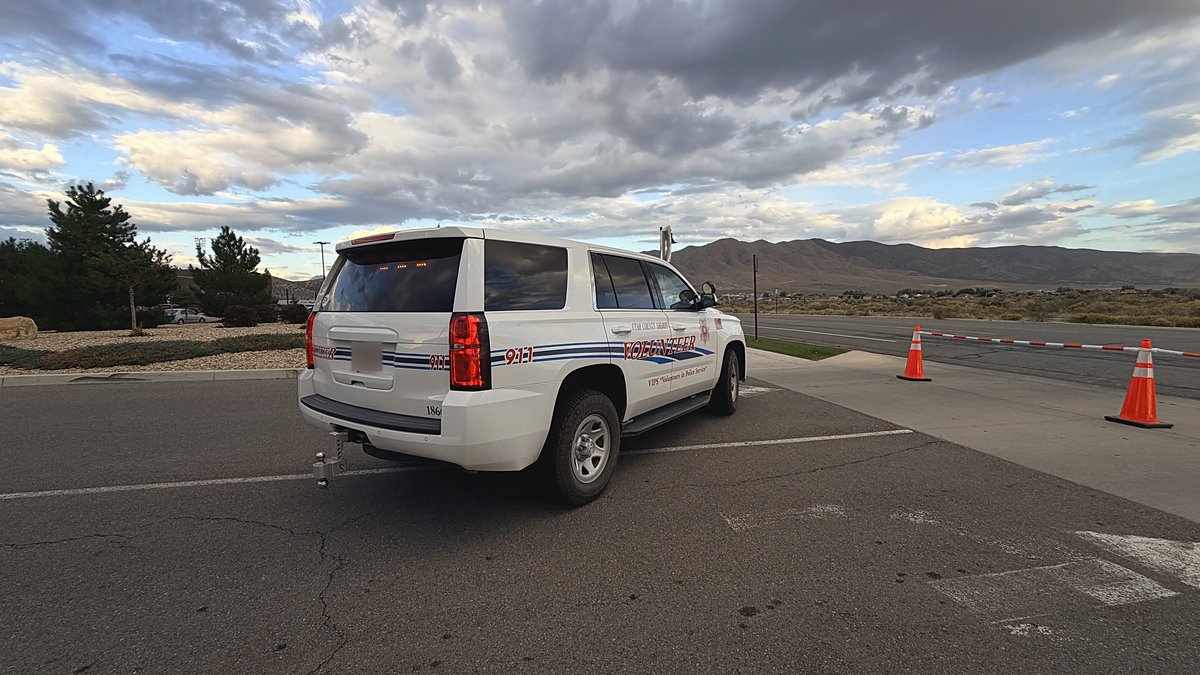
A go-bag is what you can grab and bring when the Sheriff's Office asks EMVIPS to help. Calls can come on short notice. Scenes can last many hours, often on a highway, in heat over 100 degrees or in cold, snow, rain, ice, and the wind we get in Eagle Mountain.
Family 72-hour kits, and community programs such as CERT, are part of a bigger need. They are useful. They are not EMVIPS programs, and they are not built for a traffic post or a perimeter. Use them at home. Use this page for the support we commonly give.
What these scenes ask
You may move your bag into a team vehicle, or you may respond in your own vehicle. Bring what keeps you safe, visible, and able to stay. You do not fight fires, direct freeway traffic, or do enforcement. If a task needs gear you were not issued or trained to use, leave that task to the people assigned to it.
Grab-and-go bag
This is the bag you can pick up and put in a team vehicle. Pack it before you need it. Keep it where you can reach it.
- Water you can carry, and a way to refill it
- Food that survives a hot car
- Sun shirt, hat, and sunscreen
- Warm layer, gloves, and a hat that works in wind
- Rain shell
- High-visibility vest or jacket
- Closed-toe shoes you can stand in for hours
- Flashlight or headlamp, and spare batteries
- Phone charger or battery pack
- Personal medications
- Notebook and pen
- Work gloves
- Small first-aid items for yourself
- Snacks for a long scene. Calls often land at a mealtime.
Stays in your vehicle
This is gear that does not have to ride in the bag, because your own response vehicle is already there.
When the assignment is traffic support, these tools help you guide people and stay safe.
- Extra water
- Blanket or sleeping bag
- Ice scraper and a small shovel
- Traction aid such as sand or cat litter
- Jumper cables or a jump starter
- Flashlight
- High-visibility layer, if it is not already in the go-bag
- Phone charger that stays plugged in or mounted
- Traffic wand, and spare batteries
- Directional lighting
- Road flares
- Traffic cones
Keep the vehicle ready
- At least half a tank of fuel
- Tires, lights, and wipers you would trust on a call
- A clear path to the bag and the extra water
- Rotate water and food so heat and cold have not ruined them
- In winter, an ice scraper you can reach from the driver seat
Heat, cold, and wind
On a hot highway scene, drink on a schedule, not only when you feel thirsty, and take breaks out of the sun. A vehicle with air conditioning can be that break if command says the scene allows it.
In cold, wet, or windy weather, the danger is standing still. A warm layer and a shell you can wear over the high-visibility gear matter more than a kit you have to unpack.
The same bag will not work in August and in January. Swap the seasonal layers. Leave the water, the charger, the vest, and the flashlight in it year-round.
Other useful sources
These are outside sources. They are not EMVIPS rules.
- Be Ready Utah, Get a Kit: https://beready.utah.gov/family-preparedness/get-a-kit-family/
- Ready.gov, Build a Kit: https://www.ready.gov/kit
- Ready.gov, Car Safety: https://www.ready.gov/car
- Utah State Fire Marshal, Vehicle Survival Checklist: https://firemarshal.utah.gov/services/fire-department-resources/vehicle-survival-checklist/
- CERT is a separate program. FEMA CERT traffic training (not EMVIPS): https://www.ready.gov/sites/default/files/2020-08/cert_trafficandcrowdmanagement.pdf
- Utah Preppers, vehicle kit: https://utahpreppers.com/archives/building-a-vehicle-emergency-kit/
- Utah Preppers, get-home bag: https://utahpreppers.com/archives/get-home-bag/